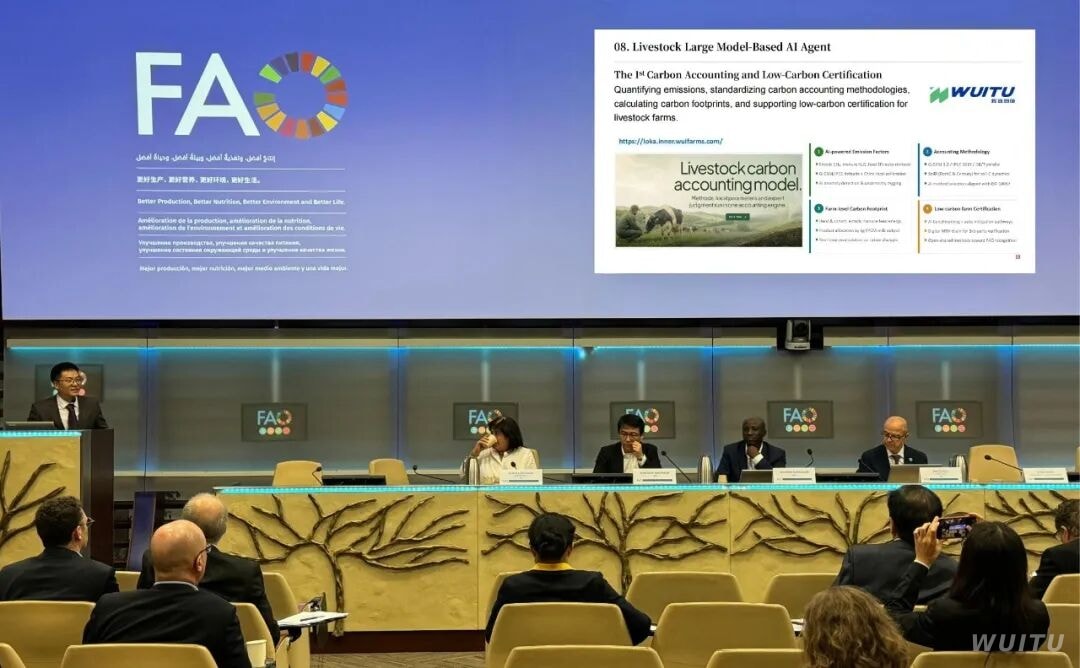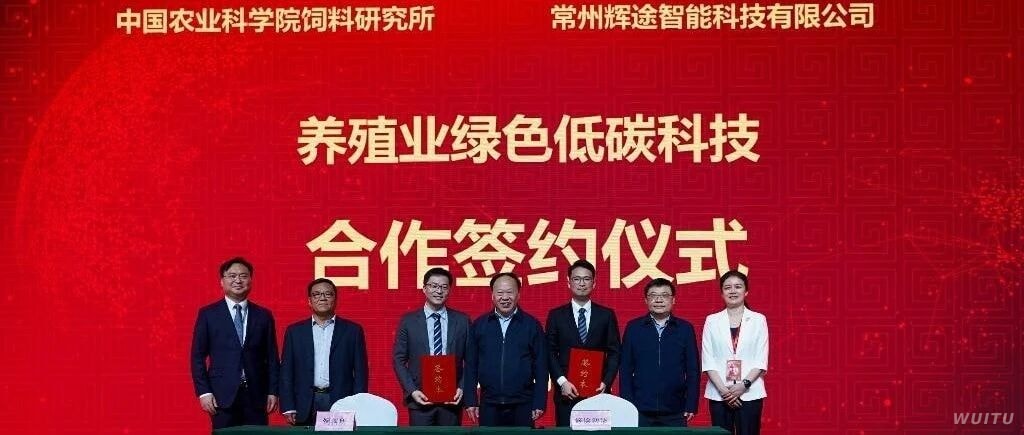
Changzhou WUITU Intelligent Technology Co., Ltd. drew widespread local and regional media coverage as Chairman Deng Jun and CTO Li Zhuliang sat down with Changzhou Daily to discuss technological breakthroughs and industry strategy. WUITU's core innovations were simultaneously featured on Changzhou TV News Channel and the official Changzhou Release video channel.
Building China's First Localized Dairy Carbon Emission Algorithm
Accurate carbon measurement is foundational to low-carbon dairy farming. WUITU's proprietary digital greenhouse gas monitoring system gathers real-world dairy emission data across more than a dozen Chinese provinces, reducing reliance on overseas databases and powering an AI model calibrated specifically to Chinese herds and farm conditions.
Moving Ranch Management from Experience to Data
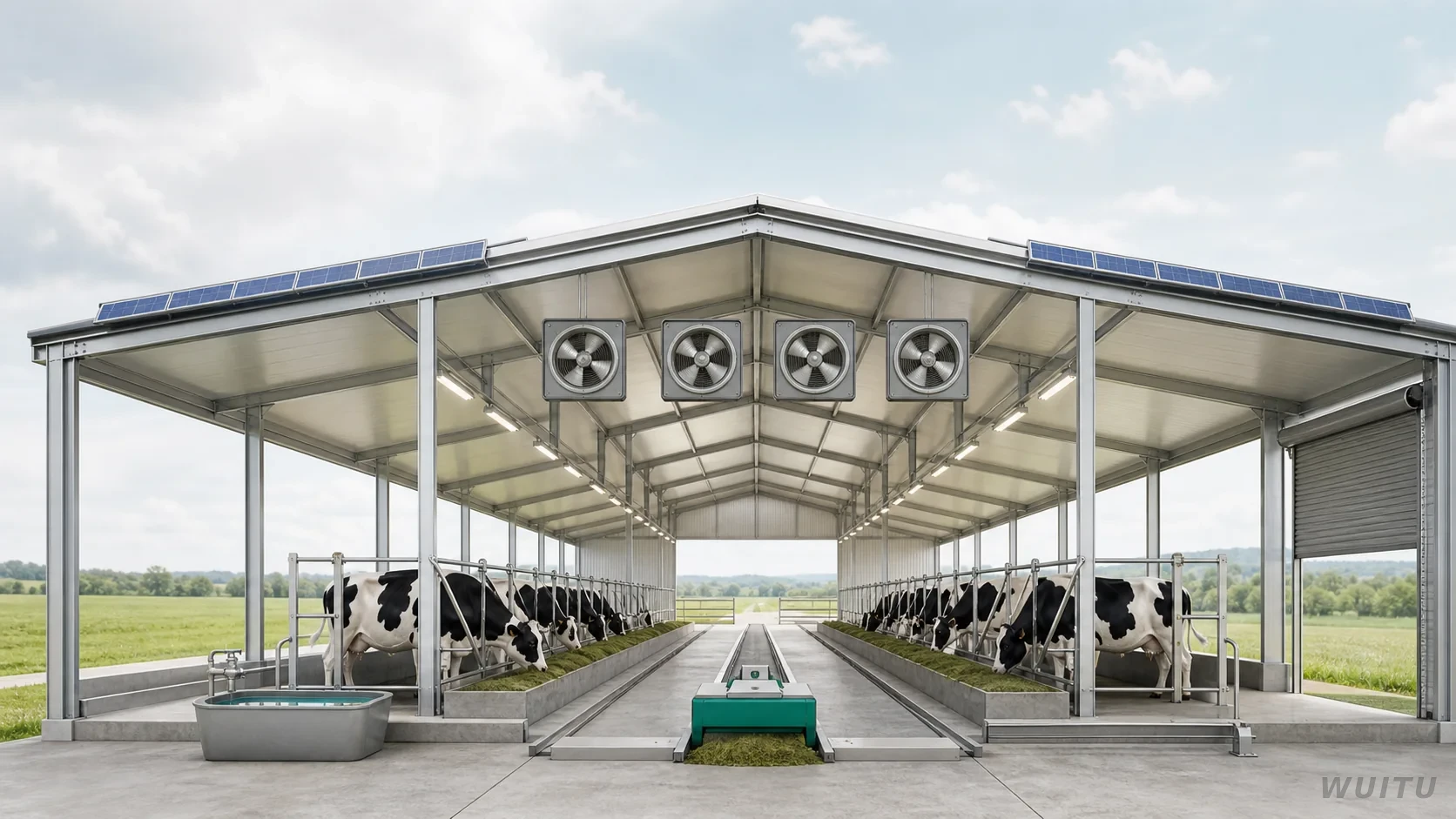
AI transforms traditional farm intuition into quantifiable, predictive decisions. Alongside emission monitoring, WUITU has developed intelligent energy management and automated feed ration generation—helping ranches shift from weather-dependent management to data-driven precision operations.
Million-Node Knowledge Graph & Global Scale Deployment
Backed by a million-node agricultural knowledge graph, WUITU has deployed 300,000 connected devices across 10 countries serving more than 200 large-scale ranches, demonstrating repeatable and scalable industrial adoption.
Expanding AI + Agriculture from Ranches to Aquaculture
Extending its "AI + Agriculture" architecture beyond dairy, WUITU has also piloted smart aquaculture systems in Wujin, Changzhou, automatically analyzing fish behavior to calculate optimal feeding volumes—reducing disease incidence, shortening production cycles, and contributing a replicable local model for AI-enabled agriculture.